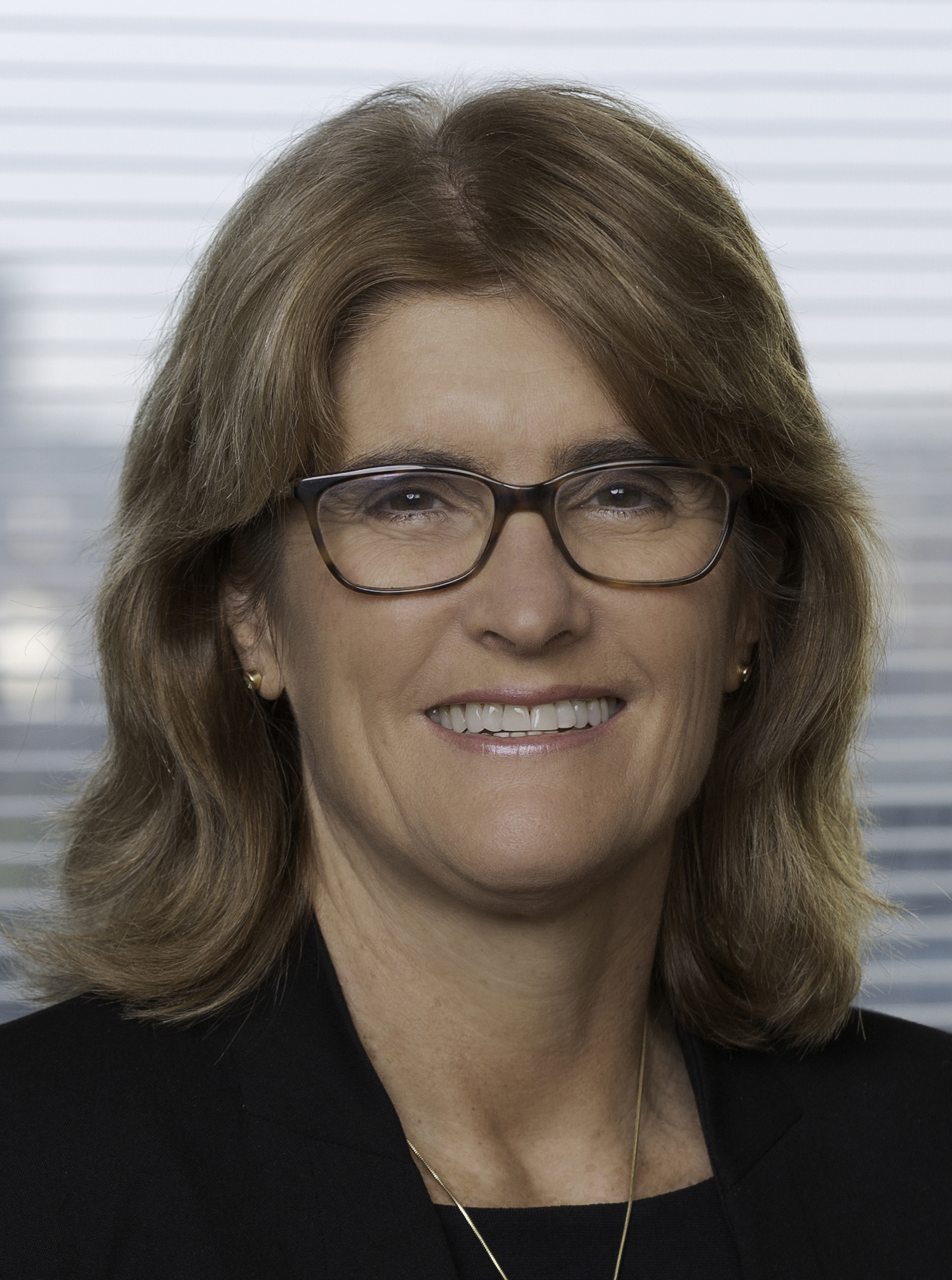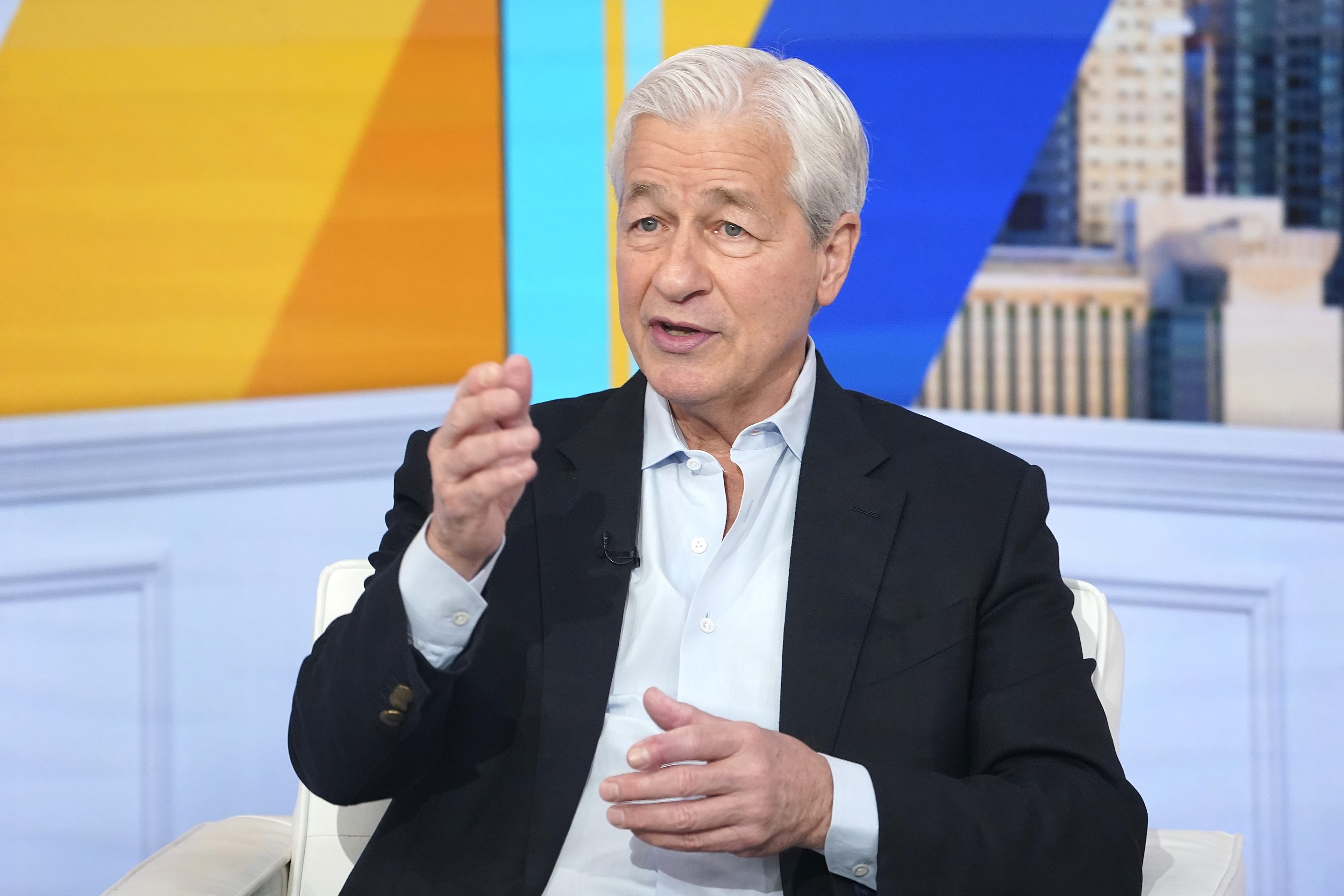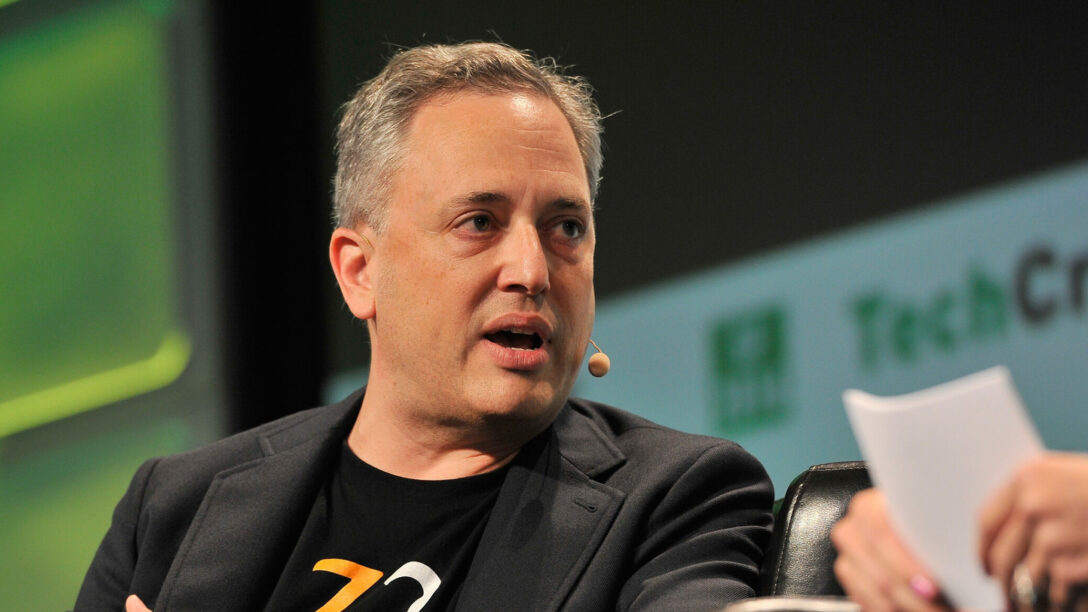
Craft Ventures founder and All-In Podcast co-host David Sacks, sitting alongside Chamath Palihapitiya, Brad Gerstner and Jason Calacanis on the latest All-In episode, said Anthropic's blockbuster lease of Elon Musk's Colossus 1 data centre puts the lab on a trajectory to become the most powerful monopoly in modern history, even as the same group warned the White House against an FDA-style approval regime for frontier AI models.
The Colossus deal, announced this week, hands Anthropic more than 220,000 Nvidia GPUs and over 300 megawatts of energy in a single stroke, instantly relieving a compute squeeze that had forced rate limits on Claude. Anthropic has since doubled Claude code rate limits, removed peak usage caps for paying subscribers and lifted API ceilings on Opus models. Musk's xAI has pivoted its own training to Colossus 2.
Sacks framed the deal as the moment Anthropic crossed a threshold. "Unless something about their current trajectory changes, Anthropic will be the most powerful monopoly ever created in human history," he said. "It will be a trillion dollars of ARR growing at some exponential. Dario calls it AGI. I call it the biggest monopoly in human history."
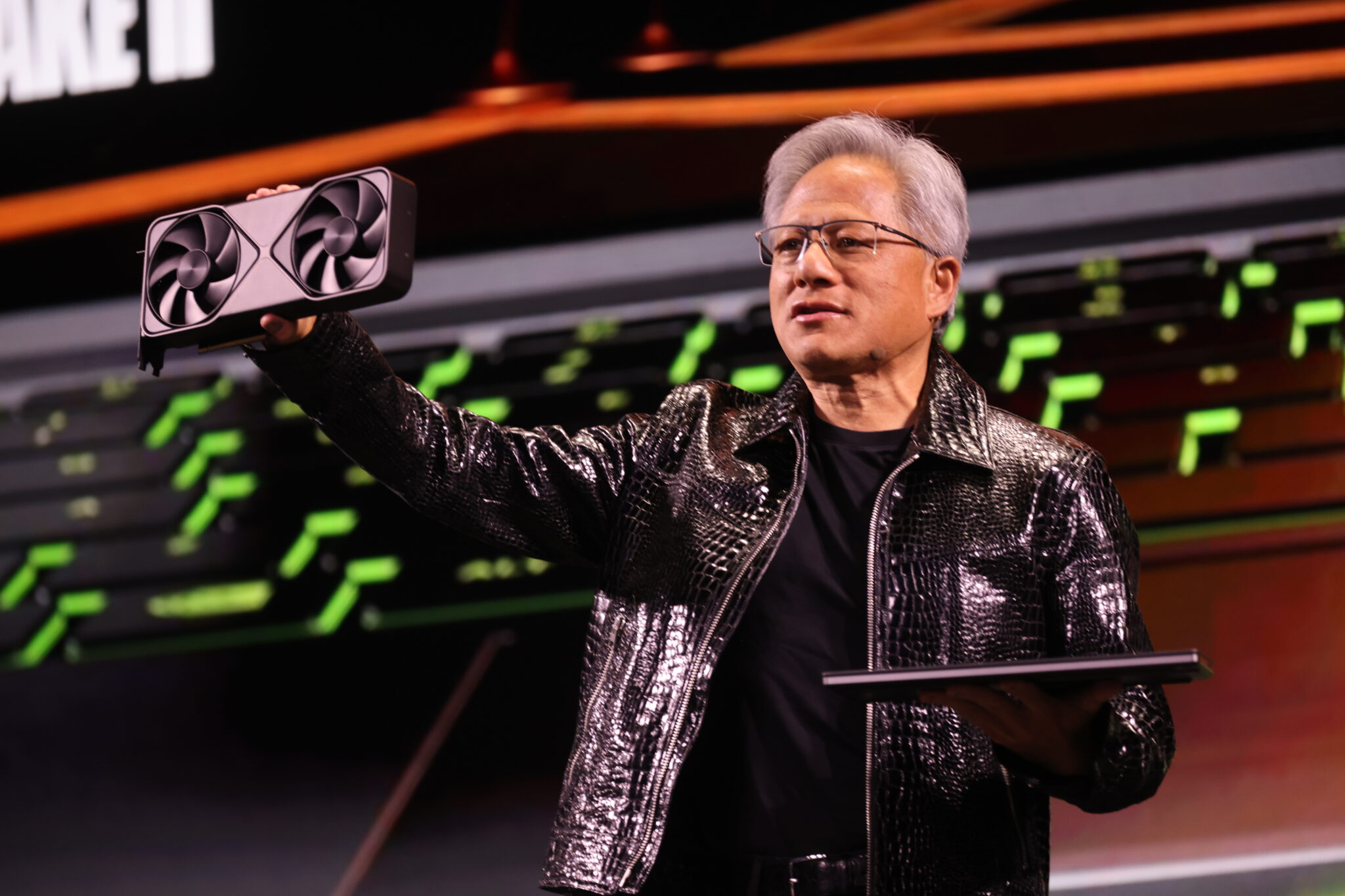
Host Jason Calacanis stress-tested the math, noting that Microsoft, Alphabet, Amazon, Nvidia, Meta and Tesla together generated about $2.3 trillion of revenue in 2025, and that adding a trillion dollars of Anthropic ARR would reframe the so-called Magnificent Seven as a Magnificent Eight.
Chamath Palihapitiya argued the bottleneck holding the AI labs back is not customer demand at all. "Anthropic and OpenAI's revenue performance has nothing to do with demand. Zero," Palihapitiya said. "It is entirely to do with the supply constraints that exist in data centres and specifically in power. If they had infinite power, I think that their revenues would probably be even more parabolic. And so all the breathlessness about either exceeding or underperforming a forecast, in my opinion, mean nothing. I think the five-year view for those two companies is quite robust. The thing that they really need is more compute and more."
The table swerved hard when Calacanis read out a New York Times report that the White House is studying an executive order to create an AI working group, with the catalyst reportedly being Anthropic's Mythos model spooking national-security officials. Kevin Hassett, director of the National Economic Council, told Fox Business the administration is "studying possibly an executive order to give a clear roadmap to everybody about how this is going to go and how future AIs that also potentially create vulnerabilities should go through a process so that, you know, they're released to the wild after they've been proven safe, just like an FDA drug."
Treasury Secretary Scott Bessent struck a different note in a separate clip. "What we had in the past month was a step change in the power of one large language model, but we're going to see it from the other AI companies. What we are determined to do is work with our AI companies to allow them to continue innovate. But our charge of the US government is maintaining safety. There is a very important calculus here between innovation and safety. And at the US government, we're going to make sure that things stay safe."
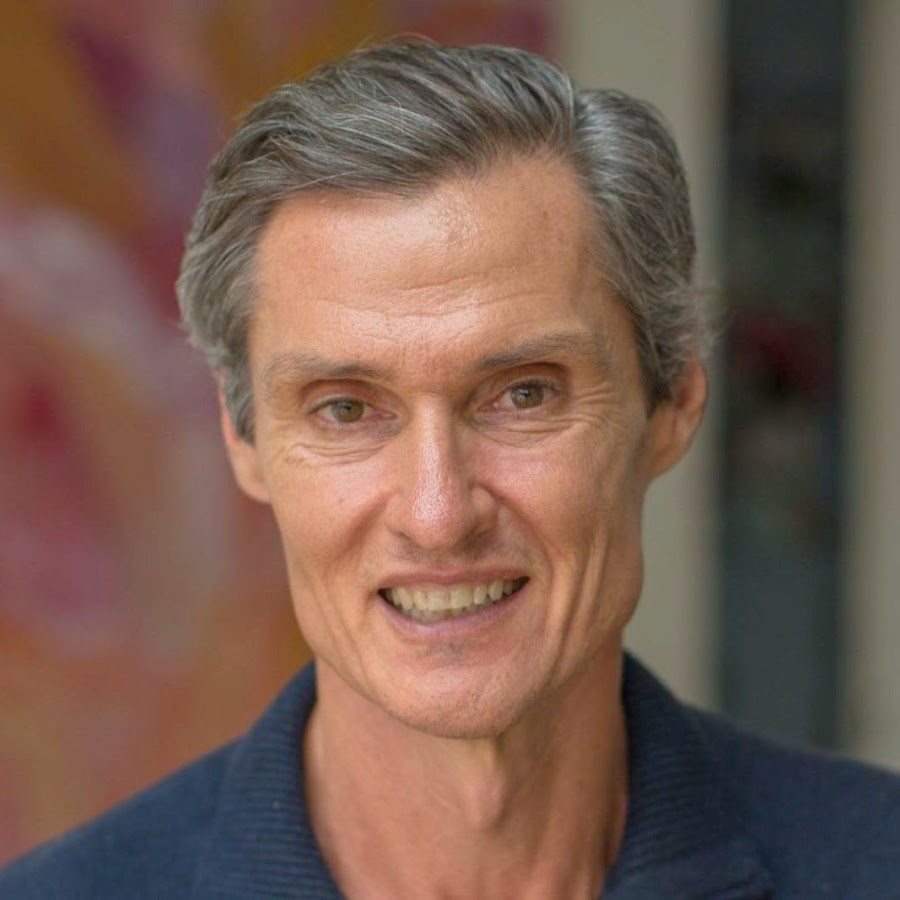
Gerstner, the Altimeter Capital founder, said he had spoken with Hassett the night the clip aired and that the FDA analogy had muddied the waters rather than reflecting administration policy. "The approval regime — this idea that you're going to have to share every model with an FDA in Washington and they're going to have to pre-approve the model — is a disaster," he said. "We do not want to put Washington in the position of picking winners and losers when it comes to these models. We're winning. We're on the winning horse in America. We're out in front of the rest of the world. There's no reason to change horses and regimes at this point."
Sacks, who has spent the last year arguing publicly against pre-approval regimes, indicated he sees the Colossus deal as proof the supply-side fix is working without Washington intervention.