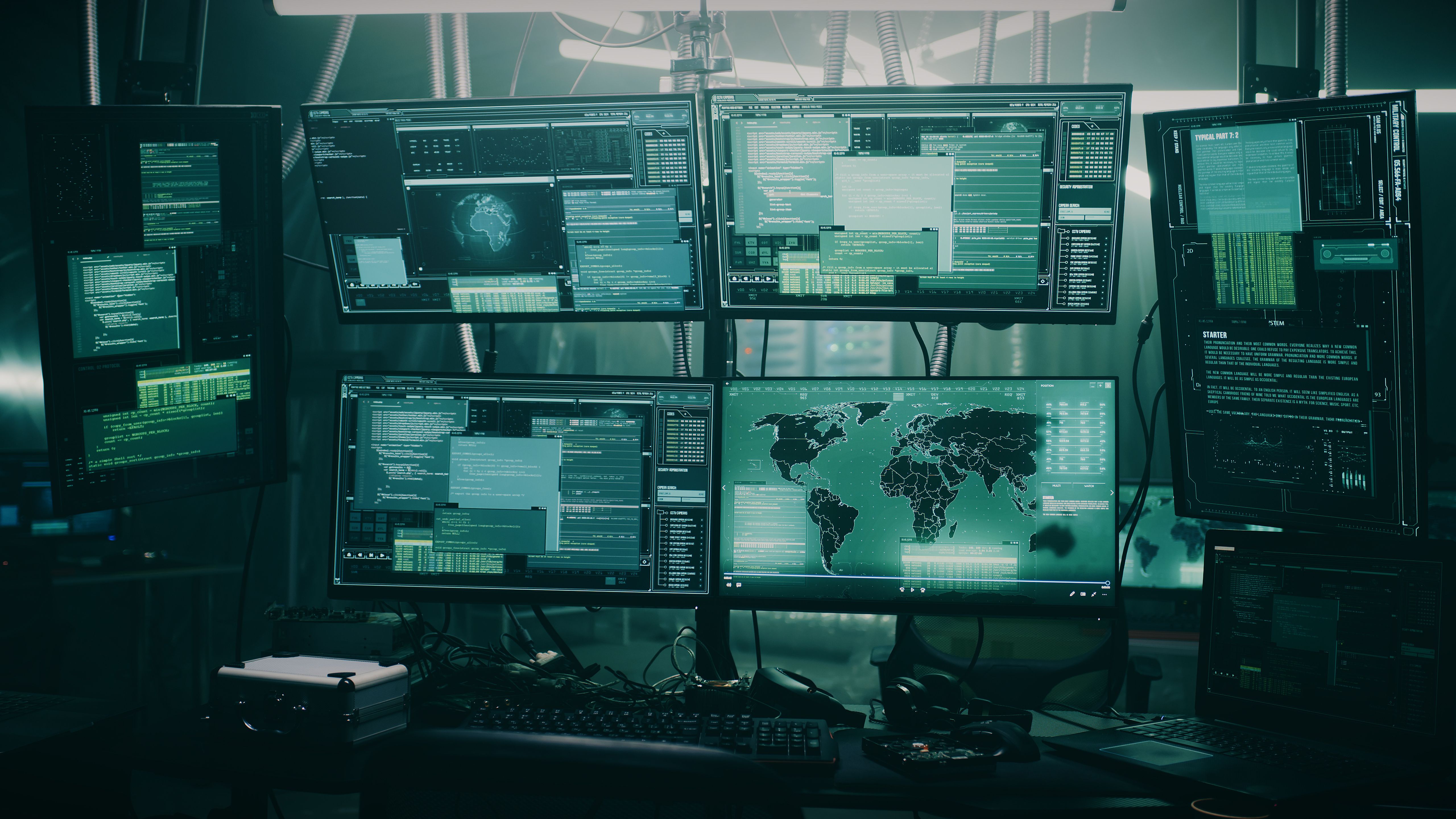
In the ever-evolving world of cyber threats, businesses face a formidable challenge in protecting their digital environments. Recent analyses show a marked increase in sophisticated attacks targeting various sectors, underlining the need for heightened awareness and preventive measures.
"The landscape of cybersecurity threats is continuously evolving, and organizations must stay ahead to defend against potential breaches," said John Smith, Chief Security Officer of a leading tech firm. This sentiment echoes across the industry as companies grapple with the implications of these persistent dangers.
"The landscape of cybersecurity threats is continuously evolving, and organizations must stay ahead to defend against potential breaches,"

Recent data from several cybersecurity reports indicates a steep rise in ransomware attacks and phishing schemes. "We have observed a 300% rise in ransomware attacks in the past year alone, affecting not just large corporations but also small businesses," noted Rebecca Johnson, a cybersecurity analyst. This trend highlights an alarming vulnerability among entities that may lack robust security frameworks.
"We have observed a 300% rise in ransomware attacks in the past year alone, affecting not just large corporations but also small businesses,"

In particular, sectors such as healthcare and finance have become prime targets due to the sensitive nature of their data. "Cybercriminals recognize the value in stealing personal data, especially in sectors that deal with confidential information. Their motivation is high, and the risks for these organizations are profound," said Tom Gray, a cybersecurity consultant.

The response from companies has been varied, with many investing heavily in advanced security technologies. "Organizations are increasingly adopting zero-trust architectures to safeguard their networks, ensuring that all users, both inside and outside the organization, must be authenticated and authorized," stated Sarah Lee, Head of Cybersecurity for a Fortune 500 company.
"Organizations are increasingly adopting zero-trust architectures to safeguard their networks, ensuring that all users, both inside and outside the organization, must be authenticated and authorized,"
However, technology alone is not enough. Employee training and awareness play a critical role in fortifying defenses. "Human error remains one of the biggest vulnerabilities. Regular training and simulation exercises are necessary to keep everyone informed about the latest threats and safe online practices," advised Mark Anderson, a cybersecurity training manager.

In addition to training, companies are urged to adopt incident response plans proactively. "Being prepared for an attack can drastically reduce reaction time and minimize damage. Companies should have a clear response strategy in place," emphasized Eric Thompson, a risk management expert.

Despite the challenges faced, there is a growing community of cybersecurity professionals focused on developing better preventive solutions. "Collaboration among organizations can lead to improved understanding of threats and shared tactics against common adversaries," suggested Emma Garcia, a cybersecurity researcher. Cooperation can enhance the collective security posture and facilitate knowledge-sharing.
"Collaboration among organizations can lead to improved understanding of threats and shared tactics against common adversaries,"
As technology advances, the tactics used by cybercriminals also become more sophisticated. "The adoption of AI and machine learning in cyber attacks poses a new level of threat. Businesses need to innovate their defense mechanisms continually to keep pace," warned Alice Monroe, a leading technology analyst. Therefore, staying current on new developments in both offensive and defensive strategies is crucial for all organizations.
To mitigate the severe consequences of cyber threats, a multi-layered security approach is recommended. "Multiple defenses, such as firewalls, intrusion detection systems, and endpoint security, need to work in tandem to effectively protect digital assets," stated Roger Clark, a cybersecurity architect.
"Multiple defenses, such as firewalls, intrusion detection systems, and endpoint security, need to work in tandem to effectively protect digital assets,"
The pressing reality of increased cyber threats calls for companies to be vigilant and proactive. "In today's digital world, maintaining robust cybersecurity standards is no longer optional but essential for business continuity and reputation," concluded Lucy Evans, a cybersecurity policy advisor. Organizations must view cybersecurity as a strategic imperative rather than a mere IT issue, to ensure long-term success and resilience in the face of ongoing threats.
"In today's digital world, maintaining robust cybersecurity standards is no longer optional but essential for business continuity and reputation,"
Looking Ahead
With cyber threats expected to continue rising, businesses must remain prepared and willing to adapt to the changing landscape. Investing in both technology and employee training will be key to defending against future attacks.