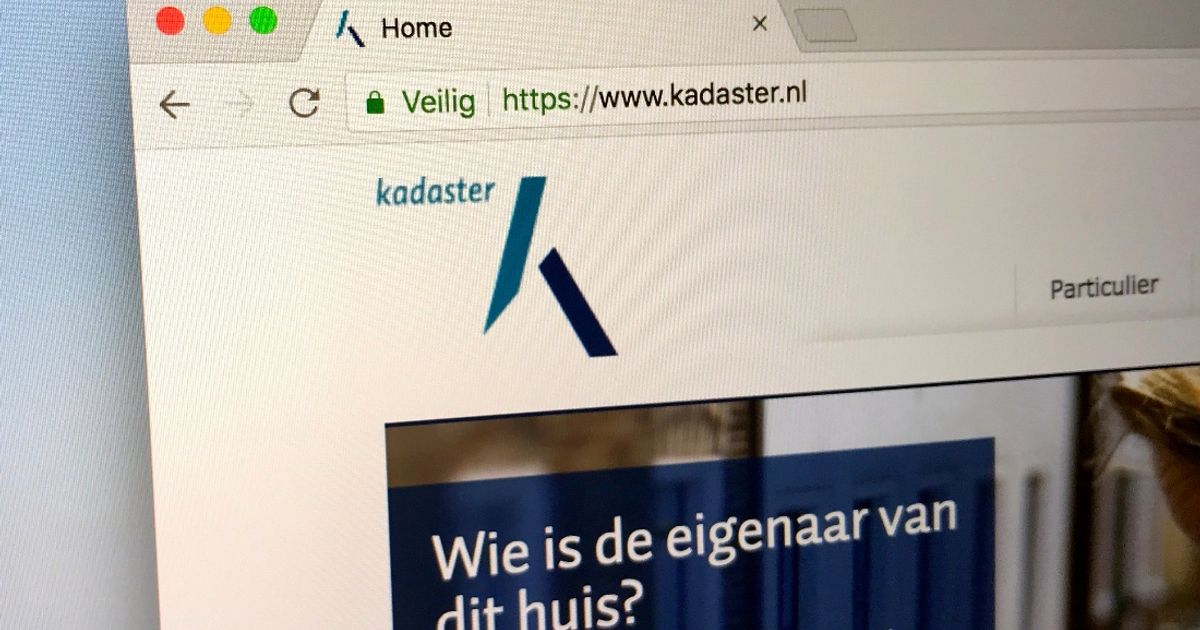
A critical data breach involving the Netherlands’ Cadastre, Land Registry and Mapping Agency, known as Kadaster, has put millions of property owners’ information at risk, according to reports from RTL Nieuws. This incident has revealed personal details and residential addresses of homeowners that have been available online for an extended period without proper safeguards.
The Kadaster, as an official government agency, is responsible for documenting essential administrative and spatial data regarding properties throughout the Netherlands. Typically, this data is restricted to authorized professionals, such as lawyers and real estate agents. However, RTL Nieuws's investigation has indicated a major “leak” that exposed this sensitive information to the public.
The lack of stringent identity verification protocols has allowed virtually anyone to create a professional account, enabling unauthorized access to private data. As a result, individuals could easily search an address to obtain the property’s purchase price and the owner's name, or conversely, enter a name to reveal an individual's address.


Aleid Wolfsen, the chairman of the Dutch Data Protection Authority, emphasized the gravity of such an oversight, stating it poses “a great danger to threatened journalists, activists, and politicians,” as well as individuals dealing with hostile situations, such as “anyone who has to deal with an angry, stalking ex.”
Cybersecurity expert Dave Maasland echoed this sentiment, cautioning that the leak could escalate to “life-threatening situations.” He asserted that the Dutch government bears responsibility for this lapse. “They are offering a kind of Yellow Pages for criminals,” Maasland lamented. "It is unacceptable that the government does not take any action to properly assess the current risks.”

Wolfsen specified the potential consequences, detailing that “someone could suddenly appear on their doorstep to threaten them, or worse,” outlining the severity of the threat posed by the inadvertent exposure of personal information. In response to the findings, Wolfsen confirmed that an immediate directive was given to the Land Registry to close the leak.
By the Numbers
In a statement to RTL Nieuws, a spokesperson for the Kadaster remarked, “the level of security has been significantly strengthened,” indicating that efforts are now being made to rectify the oversight. The agency's actions come as public trust and safety hang in the balance, given that millions of private records had been compromised.


As this situation unfolds, the ramifications for both the individuals affected and the governmental bodies responsible for safeguarding their information remain to be seen. The challenge of restoring public confidence in the Kadaster’s ability to protect sensitive data will likely be a priority moving forward.