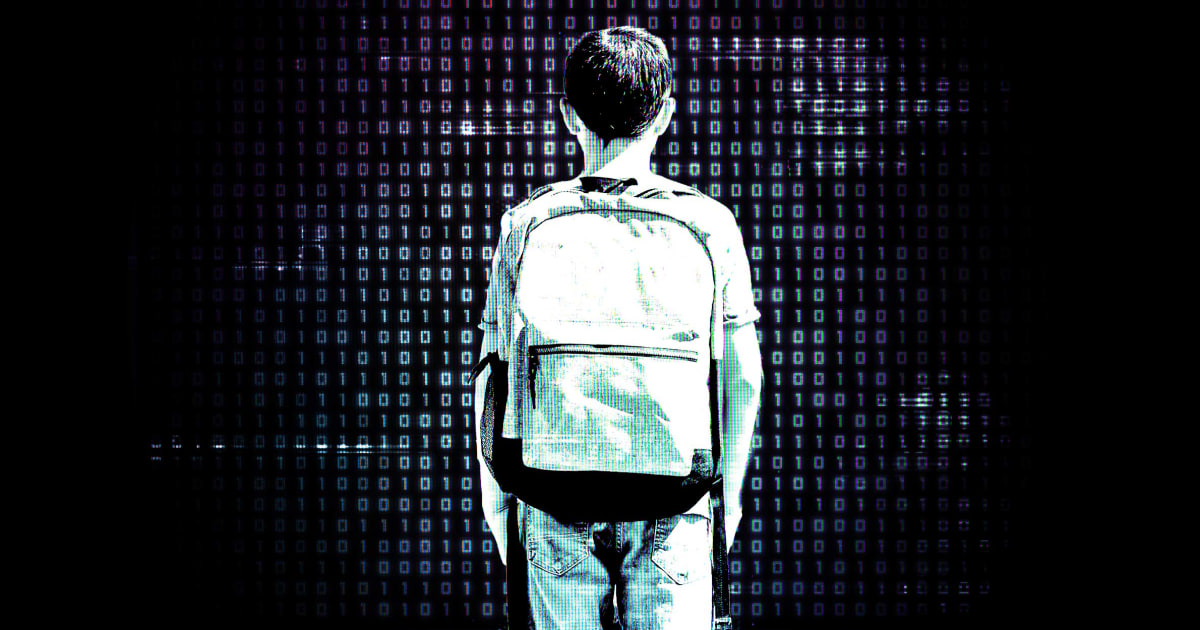
A significant data breach at Minneapolis Public Schools has exposed thousands of sensitive files, raising concerns over the security of school data. The leak, which is part of a ransomware attack that hit the district earlier this year, has brought to light highly confidential reports on both students and teachers.
In March, after the district announced it was the victim of a cyberattack, documents began surfacing online. NBC News, after examining around 500 of these leaked files, found not only standard contact details but also alarming information, including teachers' Social Security numbers and allegations of abuse.
"School districts really should be treating this more like nuclear waste, where they need to identify it and contain it and make sure that access to it is restricted," said Doug Levin, Director of the K12 Security Information Exchange. His statement underscores the gravity of the situation, emphasizing that schools must enhance their data management practices to prevent future breaches.
"School districts really should be treating this more like nuclear waste, where they need to identify it and contain it and make sure that access to it is restricted,"
While the hacker group has not been publicly named, they took steps to escalate the situation by promoting the leaked information across social media platforms, including Twitter and Facebook. They even hosted a video filled with screengrabs of the stolen files. This aggressive approach highlights an unsettling trend in which hackers are pursuing greater exposure of their attacks.
Rochelle Cox, the Interim Superintendent of Minneapolis Public Schools, stated in an update, "We are working with external specialists and law enforcement to review the data that was posted online." Cox confirmed that the district is actively contacting individuals whose information is part of the leak, and she invited parents to remain vigilant against potential phishing attempts.
"This week, we’re seeing an uptick in reports of messages — sometimes multiple messages — sent to people in our community stating something like ‘your social security number has been posted on the dark web,’" said Cox, warning individuals not to engage with such correspondence unless they can verify the sender's identity.


Race Results
Since 2015, ransomware attacks on schools have increased significantly, with 122 public school districts falling victim in the U.S. since 2021. More than half of these incidents have resulted in the unauthorized release of sensitive data. In many cases, affected districts offer identity theft protection services, though they have little control over the information once it is made public.
The ramifications of this breach have left many parents asking what actions to take moving forward. "I feel like my hands are tied, and I feel like the information that the district is giving us is just very limited," expressed Heather Paulson, a teacher and parent within the district.
"I feel like my hands are tied, and I feel like the information that the district is giving us is just very limited,"
As the situation develops, the Minneapolis Public Schools are caught in a critical moment, pressing the need for awareness and commitment to cybersecurity policy enhancements. While technology plays a vital role in modern education, the accompanying risks suggest that comprehensive security measures must be implemented to safeguard sensitive information.
In light of this incident, it may serve as a wake-up call for educational institutions nationwide to review and reinforce their cybersecurity frameworks and practices. As the digital landscape evolves, so too must our strategies for protecting vulnerable student data from bad actors.