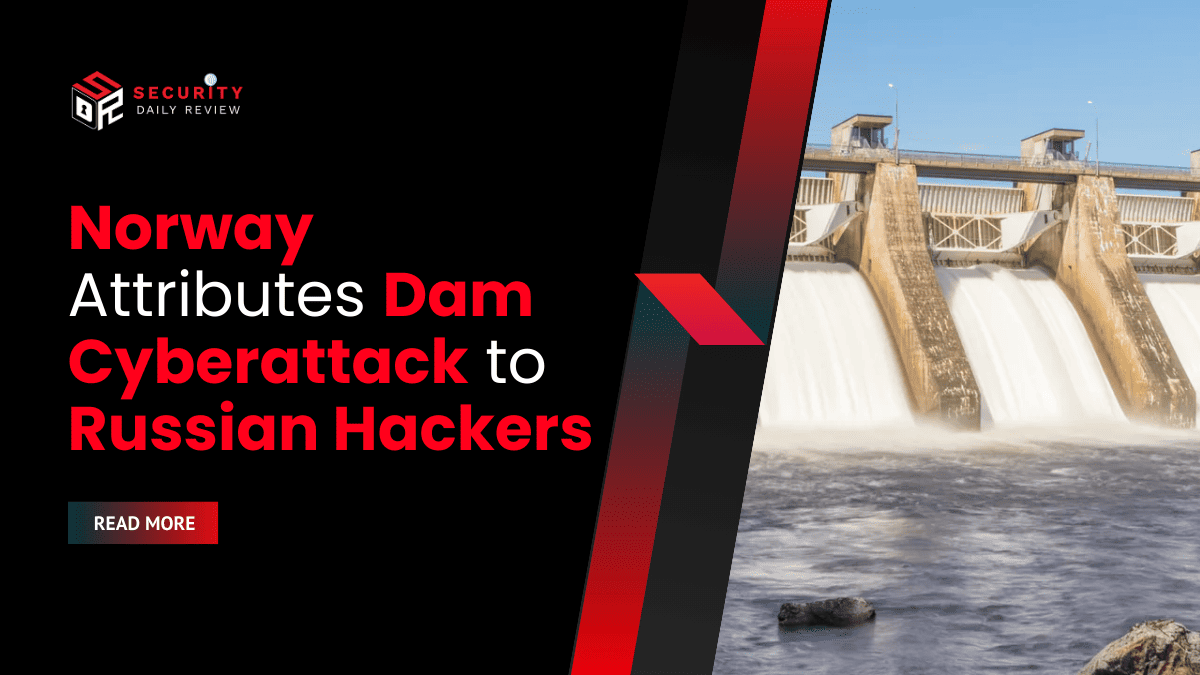
A dam situated in Bremanger, Western Norway, recently found itself at the center of escalating geopolitical tensions when it became a target of a cyberattack on April 7, 2025. Norwegian officials confirmed that hackers, believed to be operating on behalf of the Russian state, exploited vulnerabilities in the dam's control systems, unleashing a deluge of over 1.9 million gallons of water within a span of four hours.
"This marks a chilling milestone: the first confirmed remote sabotage of European dam infrastructure by pro-Russian hackers since 2022," said Beate Gangås, head of the Police Security Service (PST). The impact was minimal, with no physical damage or injuries recorded, primarily due to low river levels. However, the attack has raised alarm bells regarding the safety and security of critical infrastructure in Europe, raising questions about the growing trend of cyber-sabotage linked to national interests.
"This marks a chilling milestone: the first confirmed remote sabotage of European dam infrastructure by pro-Russian hackers since 2022,"


The breach compromised the dam’s digital control mechanisms, enabling the cyber actors to remotely open water outflow valves. Authorities noted that the hackers were likely able to gain access through a poorly secured, internet-facing system. This incident highlights ongoing concerns regarding the need for robust cyber hygiene in operational technology environments. "The infiltration was significant, as it demonstrated the feasibility of such remote attacks on vital infrastructure," remarked Nils Andreas Stensønes, Norway's Intelligence Chief.
"The infiltration was significant, as it demonstrated the feasibility of such remote attacks on vital infrastructure,"

The Norwegian Cybersecurity and Intelligence Services, including the National Criminal Investigation Service (Kripos) and PST, based their attribution on compelling evidence, including a controversial video released on Telegram. This clip, featuring the dam's control interface, was marked with the insignia of a prominent pro-Russian cybercriminal group. "The video surfaced in the weeks following the attack and serves as a proof of concept that is aimed to induce fear and embarrassment," noted an insider from Norwegian intelligence.
"The video surfaced in the weeks following the attack and serves as a proof of concept that is aimed to induce fear and embarrassment,"

Impact and Legacy

Impact and Legacy
Impact and Legacy
The three-minute footage is believed to be a tactic consistent with the operations of APT44, also known as Sandworm, a notorious group recognized for its espionage and sabotage actions. Analysts observe that such propaganda is often utilized by cyber actors to amplify the perception of their capabilities. "Cyber actors frequently exaggerate their operational reach to heighten the impact of their actions," explained one cybersecurity expert.
"Cyber actors frequently exaggerate their operational reach to heighten the impact of their actions,"
Impact and Legacy
Stensønes emphasizes that this incident contributes to a broader narrative of pro-Russian aggression within Europe. "While Norway is not at war with Russia, President Vladimir Putin's intentions are clear: he wants to create instability and tension within NATO-member states through hybrid means," he stated.
"While Norway is not at war with Russia, President Vladimir Putin's intentions are clear: he wants to create instability and tension within NATO-member states through hybrid means,"
Race Results
This particular cyberattack is part of a larger pattern of more than 70 suspected Russian-linked operations across Europe since the onset of the war in Ukraine. These activities encompass various forms of digital sabotage, vandalism, and even attempted assassinations. The dam's cyber intrusion echoes a similar attack in January 2024, where Russian hackers targeted a water treatment facility in Texas, resulting in an overflow.
Norwegian officials express a growing concern about the potential ramifications of such attacks, particularly as they form part of a broader strategy to disrupt and destabilize essential services. "This trend emphasizes the need for heightened awareness and protective measures across all infrastructure sectors," remarked Gangås.
"This trend emphasizes the need for heightened awareness and protective measures across all infrastructure sectors,"
Looking Ahead
Cybersecurity experts urge that lessons must be learned from these alarming incidents. With the risks of such breaches constantly evolving, a unified approach to bolster defenses against cyber threats is imperative. The situation continues to develop, signaling the urgency for enhanced cross-border collaboration aimed at fortifying national security against potential future incursions.