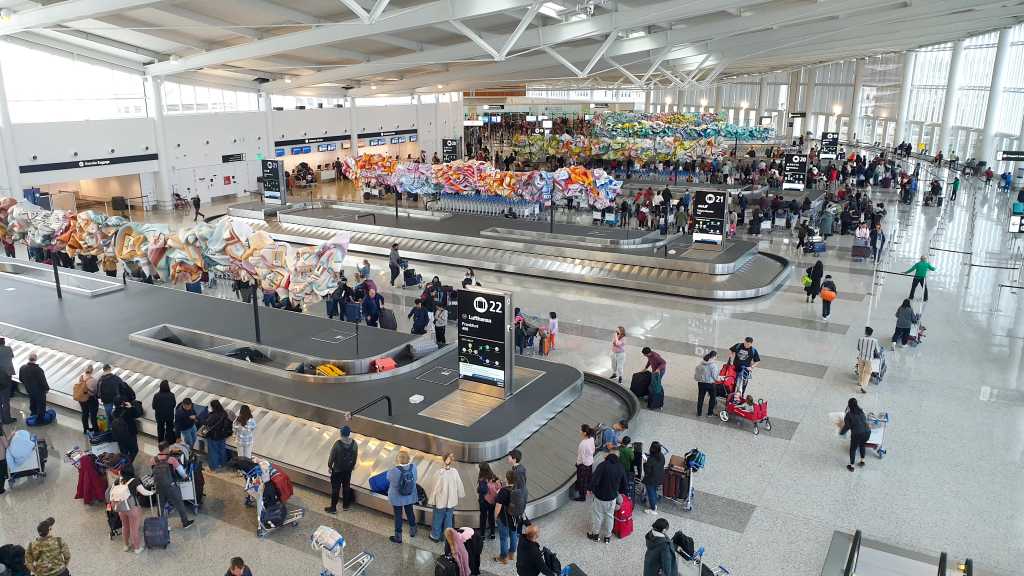
The Port of Seattle has disclosed that a cyberattack on August 24, 2024, involved Rhysida ransomware, severely disrupting its computer systems. The attack impacted a variety of operations at the port, including baggage handling, check-in, and online services, prompting the agency to take swift action to mitigate damage.
"On August 24, 2024, the Port of Seattle identified system outages consistent with a cyberattack," the agency stated in a recent announcement. They confirmed that the incident was indeed a ransomware attack conducted by the cybercrime group known as Rhysida.
"On August 24, 2024, the Port of Seattle identified system outages consistent with a cyberattack,"

In the aftermath of the attack, the Port of Seattle faced a challenging situation as an unauthorized actor gained access to parts of its critical systems. This breach resulted in the encryption of certain data, leading to significant operational disruptions. The initial response involved disconnecting systems from the internet to prevent further unauthorized access.

The extent of operational issues was considerable, affecting not only baggage services but also check-in kiosks, ticketing processes, passenger display boards, Wi-Fi, and even the Port’s website, including the flySEA app and its reserved parking services. Remarkably, the Port’s cybersecurity team managed to restore most affected services within a week, although some systems, including external websites and internal portals, remained under repair.
"The efforts our team took to stop the attack on August 24, 2024, appear to have been successful," said the Port in their statement. "There has been no new unauthorized activity on Port systems since that day. We remain on heightened alert and are continuously monitoring our systems."

"The efforts our team took to stop the attack on August 24, 2024, appear to have been successful,"
Despite the chaos caused by this ransomware attack, the Port of Seattle's administration made a resolute decision to refuse the ransom demanded by the attackers. Rhysida operates on a ransomware-as-a-service (RaaS) basis, allowing other cybercriminals to utilize their malware in exchange for a share of the ransom proceeds.
Race Results


While the specific data compromised remains unclear, it presents a potential risk due to the Port's extensive operations and its emphasis on automation and machine learning technologies, which can contain valuable information for attackers.
Career Journey
The Rhysida ransomware group has garnered infamy for targeting organizations within critical infrastructure sectors that cannot afford downtime. They have previously attacked healthcare facilities, educational institutions, and even military operations in Chile. In September 2023, they claimed responsibility for the Singing River ransomware attack that ultimately led to a significant data breach exposed nearly one million patients’ information by May 2024.
This latest incident with the Port of Seattle underscores a growing concern as ransomware groups increasingly shift towards stealthy, long-term access strategies rather than simply seeking quick payoffs. The implications of such attacks can be profound, affecting both the operations of vital services and the personal data of those who depend on them.
Looking Ahead
As the Port of Seattle navigates through the repercussions of this cyberattack, officials emphasize vigilance and continuous surveillance to protect their systems and mitigate any future threats. The persistence of ransomware attacks highlights an ongoing struggle in cybersecurity, particularly in sectors that serve essential functions within society.