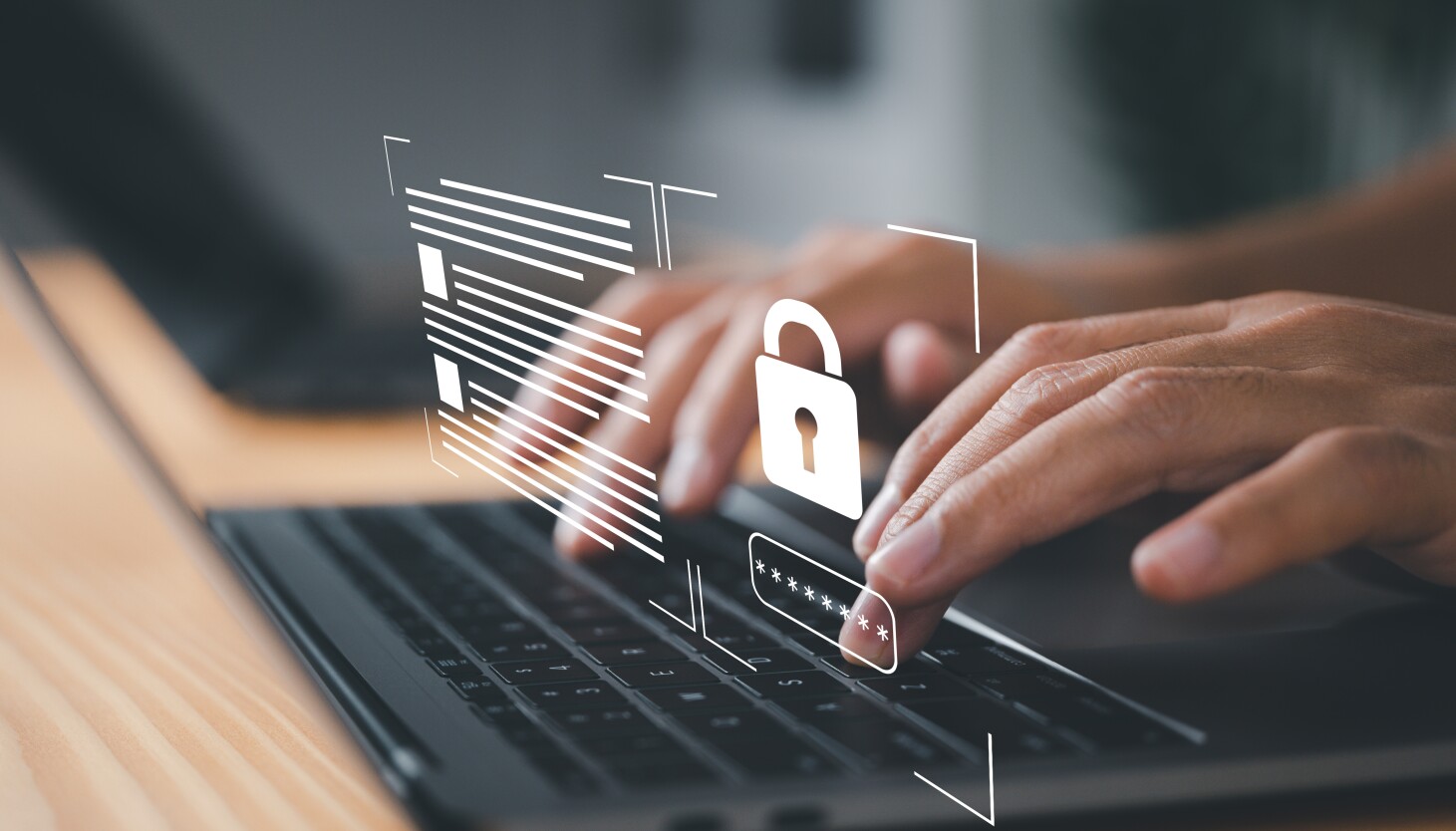
A data leak refers to the unintentional exposure of confidential information, which can encompass personal data, financial records, trade secrets, and more. These incidents typically stem from inadequate data protection strategies among organizations. "A data leak occurs when sensitive information is exposed," explained an industry expert from Cyberwire, emphasizing that the unauthorized transmission of sensitive data to external parties often results from companies' lack of foresight in data security.
"A data leak occurs when sensitive information is exposed,"
Numerous factors can lead to data leaks. Misconfigured databases, vulnerabilities within software, and accidental publication of confidential information frequently contribute to these exposures. "Email misdelivery—where sensitive data is sent to the wrong recipient—is another common cause," noted cybersecurity analyst Lucy Grant. Misplaced devices, such as lost laptops and external hard drives, can further exacerbate the risks associated with data leaks.
"Email misdelivery—where sensitive data is sent to the wrong recipient—is another common cause,"
Furthermore, when stolen information surfaces on the dark web, it also falls under the category of a data leak. Such occurrences not only jeopardize personal information but also carry the potential for reputational harm, identity theft, and a host of negative repercussions for both organizations and individuals affected by these disclosures.

Despite the interchangeable use of the terms, it’s critical to distinguish between a data leak and a data breach. "Data breaches are intentional cyber security incidents in which hackers gain unauthorized access to protected data," stated IT security consultant Mark Thompson. These breaches typically stem from organized cyberattacks, malware, or human errors, including weak password practices. “Malicious insiders can also trigger data breaches, further complicating security efforts,” Thompson added.

"Data breaches are intentional cyber security incidents in which hackers gain unauthorized access to protected data,"
Race Results
In contrast, data leaks are often a result of accidental mismanagement or oversight. In instances where businesses inadvertently expose internal servers to public access, the severity of such leaks may be challenging to assess. However, malicious actors can exploit these weaknesses, as some ransomware attackers now threaten to leak stolen data to increase pressure on victims to pay ransoms.

Reflecting on some of the most significant data leaks of the 21st century reveals the magnitude of the issue. In 2021, a major leak involving LinkedIn exposed data for over 700 million users, which included profile names, locations, and email addresses. Additionally, Social Data Trading Limited experienced a breach that released the details of approximately 235 million social media profiles, including names and follower counts.
By the Numbers
The scale of data exposure escalated further in 2019 when Microsoft mistakenly leaked 250 million customer service records due to server misconfigurations. "These incidents underline the need for robust data management and protection systems," stated cybersecurity expert Naomi Cheng.
"These incidents underline the need for robust data management and protection systems,"

By the Numbers
Furthermore, data broker Exactis left a staggering 340 million individual records accessible online, revealing personal information ranging from addresses and phone numbers to estimated incomes and political preferences. Such oversights highlight the growing need for stringent safeguards in an era where digital information is increasingly vulnerable.
Other significant breaches involved First American Corporation, which inadvertently exposed around 885 million customer data files dating back to 2003. The exposed documents included a wealth of sensitive information such as Social Security numbers and financial records, underscoring the drastic implications of these leaks for individual privacy. “Organizations must prioritize their cybersecurity measures,” Cheng warned.
The fallout from data leaks is far-reaching, particularly concerning individual privacy. The exposure of personal details can compromise identity security and leave victims open to fraud and various forms of exploitation. As digital landscapes continue to evolve, those affected by data leaks often find it challenging to recover their identities and trust in the institutions that safeguard their information.
In summary, the prevalence of data leaks emphasizes the urgent need for striking improvements in organizational security protocols. As companies and individuals become more aware of these potential pitfalls, it is essential to implement preventive measures and foster a culture of data vigilance to mitigate the risks associated with sensitive information exposure. The landscape of data security is continually shifting, and prioritizing effective management strategies will be pivotal in protecting privacy in the digital age.