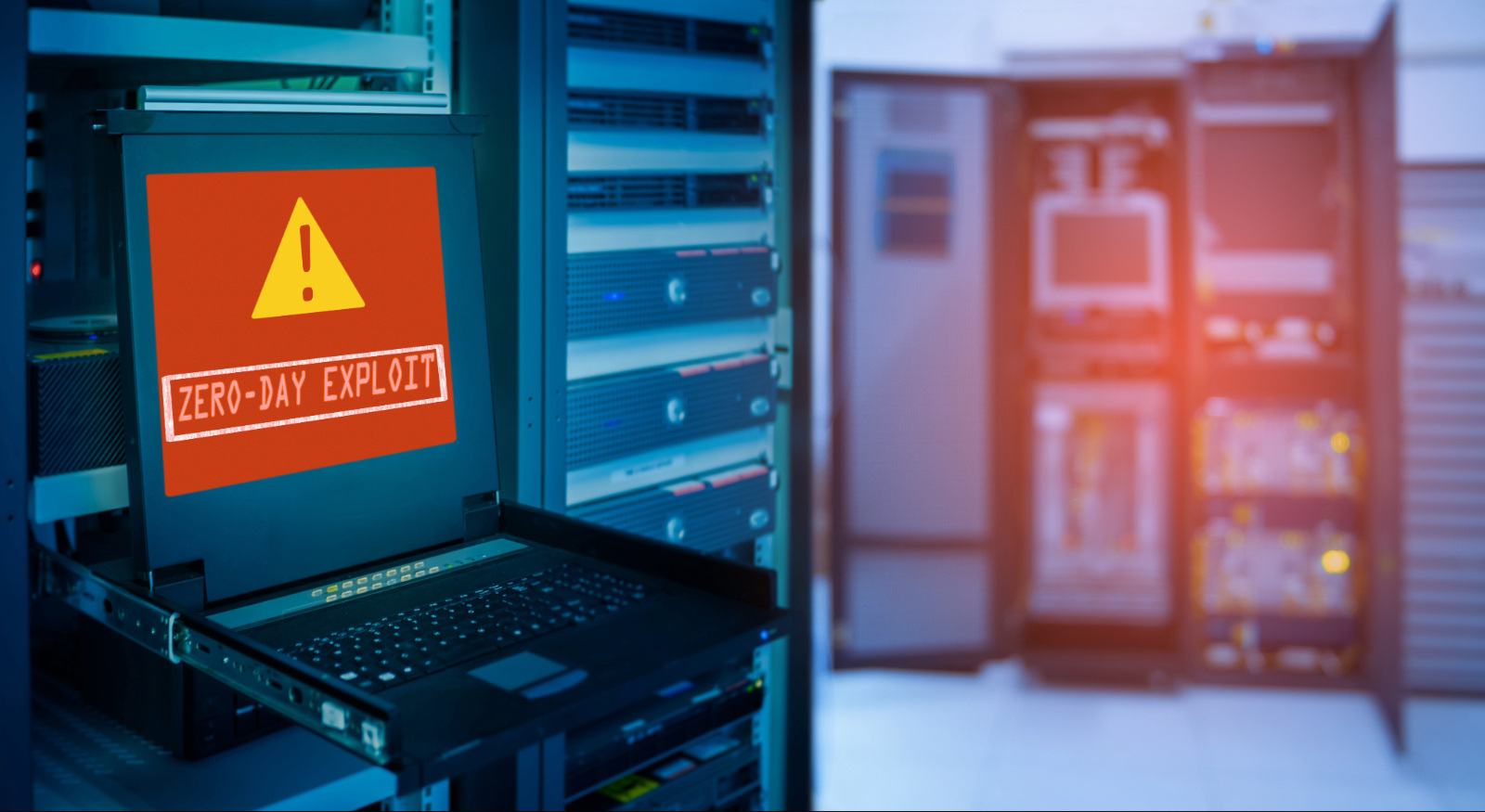
Security orchestration, automation, and response (SOAR) encompass a range of cybersecurity technologies that enhance an organization’s ability to respond to security incidents efficiently. By leveraging inputs monitored by security operations teams—including alerts from Security Information and Event Management (SIEM) systems—SOAR solutions facilitate standardized incident response processes.
"SOAR platforms are designed to improve the efficiency of both physical and digital security operations," said cybersecurity expert Amy Turner. These platforms allow administrators to manage security alerts effectively, minimizing the need for manual intervention. When a network tool identifies a security event, the SOAR system can either notify the administrator or automatically execute a predefined action, tailored to the nature of the threat.
"SOAR platforms are designed to improve the efficiency of both physical and digital security operations,"

The effectiveness of SOAR systems hinges on three critical components: orchestration, automation, and incident response. "Orchestration connects various security tools and systems within an organization," explained Ethan Zhao, a security systems architect. It integrates custom-built applications with built-in security tools, ensuring seamless cooperation among them while linking diverse endpoints, firewalls, and behavioral analysis tools.
"Orchestration connects various security tools and systems within an organization,"

Meanwhile, automation plays a vital role in managing the substantial volume of data produced through orchestration. "The automation capability analyzes this data using machine learning processes," noted Dr. Sarah Liu, an AI security analyst. This component allows SOAR systems to handle numerous manual tasks, such as log analysis, ticket requests, and vulnerability assessments, thereby increasing efficiency.

"The automation capability analyzes this data using machine learning processes,"
Incident response, the third component, enables security teams to react swiftly upon detecting potential threats. This element also extends to post-incident activities, including the automated sharing of threat intelligence. "With SOAR, we can streamline our response to incidents in real-time," remarked cybersecurity director James Martinez.
"With SOAR, we can streamline our response to incidents in real-time,"

SOAR platforms also utilize playbooks and runbooks to outline potential incidents and corresponding response strategies. A playbook is a document that details how to validate a cybersecurity incident and specifies how to respond effectively. "The main function of the playbook is to document processes for the runbook to execute," stated compliance officer Lisa Gray. It can also serve as a fallback manual if the SOAR system encounters a failure.
"The main function of the playbook is to document processes for the runbook to execute,"
In contrast, a runbook translates the playbook information into an automated tool, initiating predefined actions aimed at threat mitigation. "Runbooks are essential for operationalizing our incident response strategies," emphasized cybersecurity manager Mark Sullivan.
"Runbooks are essential for operationalizing our incident response strategies,"

As organizations continue to prioritize cybersecurity amidst an ever-evolving threat landscape, the adoption of SOAR technologies is becoming increasingly vital. "The importance of SOAR cannot be overstated, especially as cyber threats grow more sophisticated," concluded cybersecurity consultant Nina Roberts. These systems not only enhance security protocols but also optimize response times and resource allocation, providing organizations with a crucial edge.
"The importance of SOAR cannot be overstated, especially as cyber threats grow more sophisticated,"
In conclusion, as cyberattacks become more prevalent and complex, SOAR platforms are positioned as indispensable tools in cybersecurity arsenals. They provide a structured approach to incident management, allowing organizations to respond faster and more efficiently, securing their digital environments against an array of threats.